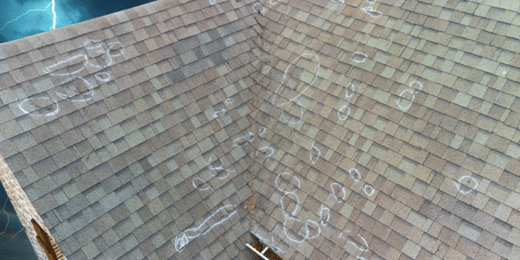
Homeowners insurance may cover roof replacement when damage results from a covered event, such as hail, high wind, or a fallen tree. But, it generally does not cover replacement caused solely by age, neglected maintenance, or gradual deterioration.
Your policy, deductible, roof condition, and the insurer’s inspection determine what is covered and how much the insurer will pay. Here is how storm damage claims typically work for Indiana homeowners.
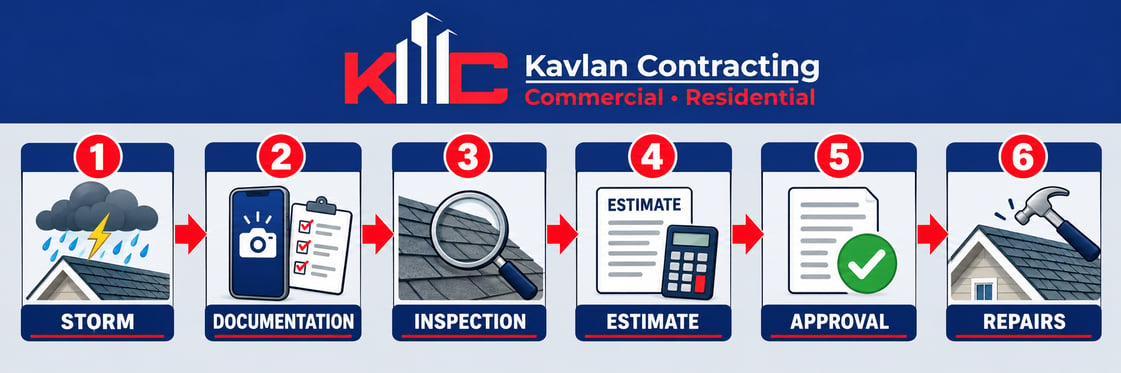
1. Determine What Caused the Damage
The cause of the roof damage matters more than the fact that the roof needs to be replaced.
Most standard homeowners policies cover certain sudden, accidental losses. Depending on the policy, covered events may include:
- Hail
- High winds
- Wind-driven rain associated with covered exterior damage
- Fallen trees or branches
- Fire
- Damage caused by the weight of ice or snow
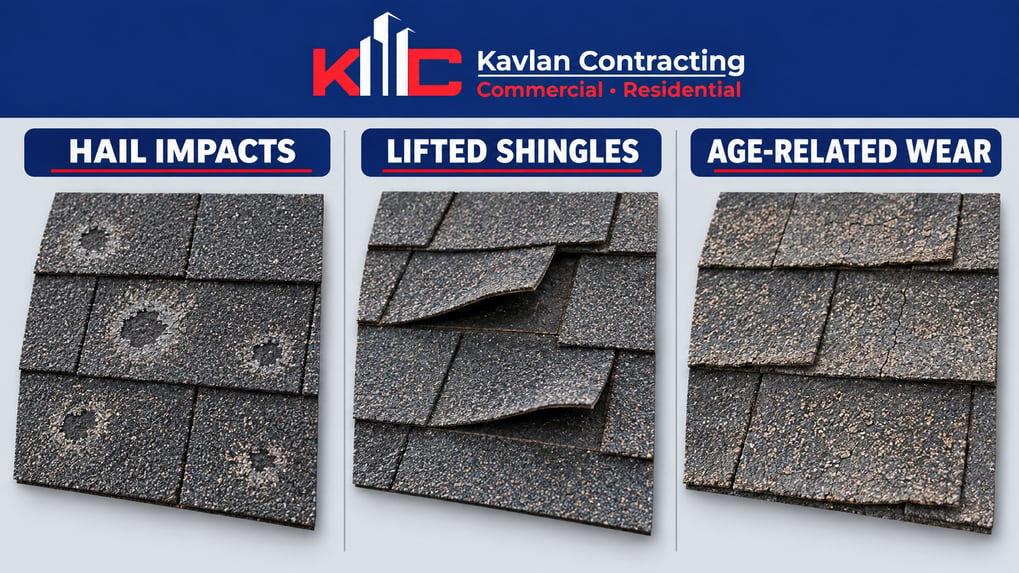
Insurance generally does not pay to replace a roof simply because it is old or worn out. Gradual deterioration, unresolved leaks, improper maintenance, and pre-existing damage may be excluded.
Indiana weather can expose a roof to several kinds of stress over time. Understanding how Indiana weather affects roofing systems can help homeowners distinguish a recent storm event from longer-term wear.
2. Protect the Home and Document the Damage
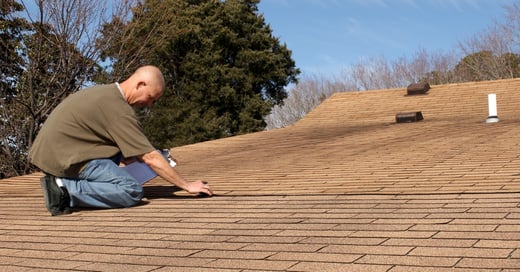
If a storm damages your roof, begin by protecting people and property. Do not climb onto a wet, icy, or unstable roof.
From a safe location:
- Photograph or record visible damage
- Note the storm’s date and approximate time
- Save damaged materials that fall to the ground
- Document interior leaks or water stains
- Keep receipts for emergency work
- Write down every conversation about the claim
Temporary measures such as emergency tarping may be necessary to prevent additional water intrusion. The Indiana Department of Insurance advises homeowners to make necessary temporary repairs, save their receipts, and avoid permanent repairs until the insurer has inspected the property and an agreement has been reached regarding repair costs.
Kavlan Contracting offers storm restoration services, including inspections, emergency tarping, roof repairs and replacements, and related exterior restoration.
3. Review the Policy and Deductible
Insurance policies differ, so homeowners should review their documents or speak directly with their agent or insurer.
Important details include:
- Whether wind and hail are covered
- The amount of the deductible
- Whether a separate wind or hail deductible applies
- Whether the roof is insured for replacement cost or actual cash value
- Exclusions based on roof age or condition
- Deadlines for reporting damage
- Requirements for inspections and repairs
The deductible is the portion of a covered loss the homeowner is responsible for paying. If the approved cost is less than or only slightly more than the deductible, filing a claim may provide little or no payment.
4. File the Claim Promptly
Contact your insurance company or agent as soon as reasonably possible after discovering storm damage. Provide the storm date, a description of the damage, and any photographs or documentation you have collected.
The insurer will assign a claim number and explain the next steps. Keep that number available and maintain a record of:
- Forms and documents submitted
- Photographs and estimates
- Names and contact information
- Dates of phone calls and inspections
- Decisions or promises made
- Receipts and invoices
Filing a claim does not automatically mean the insurer will approve a complete roof replacement. The insurer must determine whether the damage resulted from a covered event and what repairs are necessary under the policy.
5. Have the Roof Inspected
The insurance company will usually send an adjuster to inspect the property. A roofing contractor may also inspect the roof, identify visible damage, take photographs, and prepare an estimate or scope of work.
The contractor and insurance adjuster serve different roles. A contractor evaluates the roof and determines what work may be needed. The insurer interprets the policy and makes the coverage decision.
A contractor cannot guarantee that a claim will be approved. Be cautious of anyone who promises a “free roof,” guarantees insurance coverage, or pressures you to sign an agreement immediately after a storm.
Before selecting a contractor, the Consumer Financial Protection Bureau recommends checking references, obtaining written estimates, confirming insurance coverage, and carefully reviewing contracts and payment terms.
6. Understand the Insurance Estimate
If the insurer approves the claim, it will provide an estimate explaining the covered work. Review it carefully and compare it with the contractor’s findings.
The estimate may include:
- Removal of damaged roofing
- Replacement materials
- Underlayment and flashing
- Ventilation components
- Labor
- Disposal
- Applicable code-related work
- Depreciation
- The homeowner’s deductible
An approved claim may call for a repair rather than full replacement if the insurer determines that the covered damage is limited to a specific area. Homeowners who are unsure whether their roof requires targeted repairs or broader work can review these signs a roof may need repair or replacement.
7. Know the Difference Between ACV and RCV
Two common policy terms can significantly affect when and how much the insurer pays.
Actual cash value (ACV) generally means the insurer subtracts depreciation based on factors such as the roof’s age and condition.
Replacement cost value (RCV) generally covers the approved cost to repair or replace damaged property without deducting depreciation permanently, although payment may be issued in stages. An insurer may make an initial payment and release recoverable depreciation after the work is completed and documented.
The National Association of Insurance Commissioners provides a helpful explanation of ACV, RCV, deductibles, and roof depreciation.
Policy language controls the claim, so homeowners should ask their insurer how payments will be calculated and what documents are required to recover any withheld depreciation.
What If the Estimate Misses Part of the Work?
Sometimes additional covered damage or necessary work is identified after the original estimate. The contractor can document the issue and prepare an updated scope or estimate for the homeowner and insurer to review.
This additional request is often called a supplement. It is not an automatic approval, and the contractor does not make the final coverage decision. The insurer will review the documentation and determine whether the additional work is covered.
Homeowners should avoid authorizing upgrades or work beyond the approved scope unless they understand who will be responsible for the additional cost.
Frequently Asked Questions
Does insurance cover an old roof?
An older roof may still have coverage for damage caused by a covered storm, but its age and condition can affect the settlement. Some policies pay actual cash value or limit coverage for older roofs. Age alone does not establish whether a claim will be approved.
Does homeowners insurance cover hail damage?
Many homeowners policies cover hail damage, but exclusions and separate wind or hail deductibles may apply. Review the policy or ask the insurer to confirm the specific coverage.
Should I call my insurer or a roofer first?
Report significant damage to the insurer promptly. A qualified roofer can also inspect and document the roof, but only the insurance company can decide whether the loss is covered. If water is entering the home, arrange safe temporary protection immediately and retain all receipts.
Can a roofing contractor guarantee claim approval?
No. A contractor can identify damage, prepare an estimate, and explain recommended work, but the insurance company determines coverage under the policy.
Move Forward After an Indiana Storm
Insurance may cover a roof replacement when a covered storm causes enough damage to justify replacement under the policy. Approval is not based simply on the roof’s age or a contractor’s recommendation.
Document the damage, prevent additional loss, notify the insurer promptly, and understand the deductible and settlement method before authorizing permanent work.
Kavlan Contracting provides residential window replacement services for homeowners throughout Central Indiana. We invite you to read about our excellent service and workmanship on our customer reviews page.
Contact Kavlan Contracting today!
Note: This article provides general educational information and is not insurance or legal advice. Coverage decisions depend on the language of your individual policy and your insurance company’s evaluation.