When it comes to protecting your home, most attention goes to what you can see, shingles, gutters, and flashing. But one of the most important factors in how long your roof actually lasts is hidden just beneath it: ventilation.
Roof ventilation isn’t just about airflow. It’s about how heat and moisture move through your home, and how those forces impact your roofing system over time. When ventilation is working properly, your roof performs the way it was designed to. When it’s not, problems tend to build quietly until they show up as damage.
At Kavlan Contracting, we’ve seen how often roofing issues in central Indiana trace back to what’s happening inside the attic, not just what’s happening on the surface.
What Roof Ventilation Actually Does
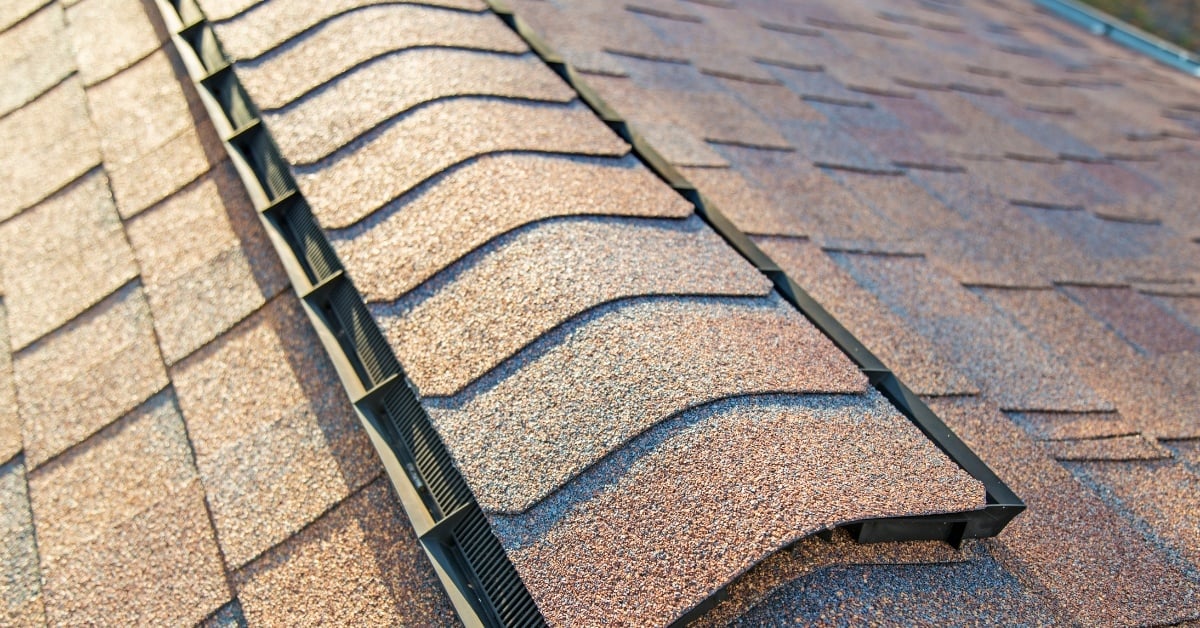
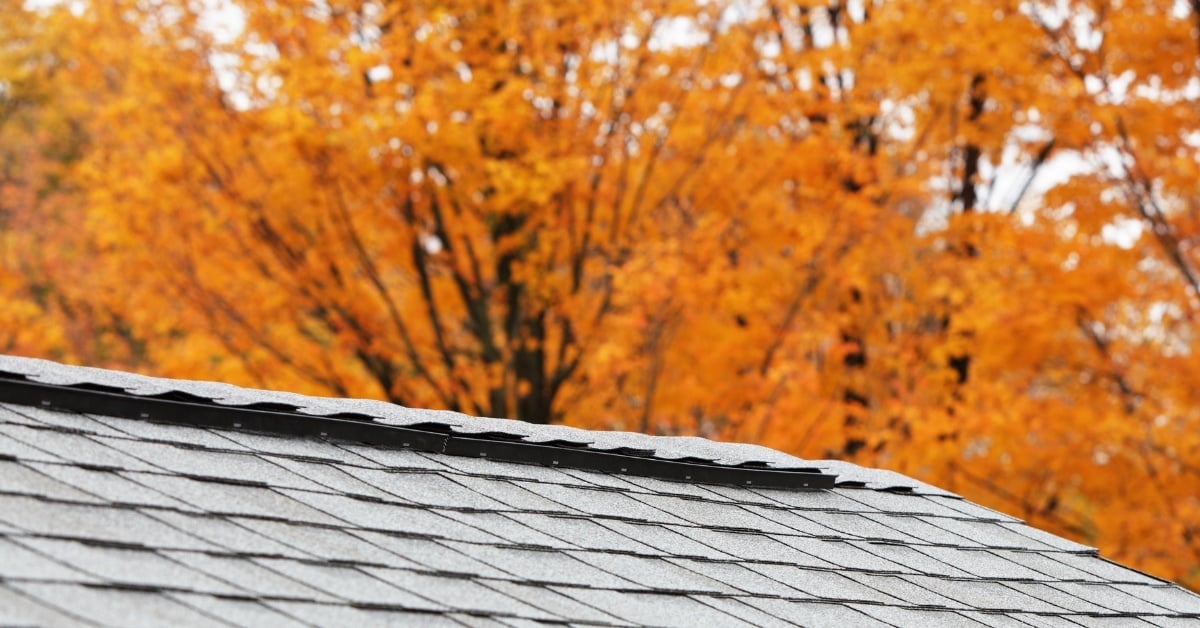
A properly ventilated roof relies on a balance of intake and exhaust. Fresh air enters through soffit vents, while warm, moist air escapes through ridge or roof vents. This constant movement keeps attic conditions stable.
Without that balance, your attic becomes a closed system where heat and moisture build up. Over time, that environment begins to affect everything above it, roof decking, underlayment, and shingles.
If you’ve read Why Your Attic Might Be Causing Roof Problems, you’ve already seen how closely attic conditions and roof performance are connected. Ventilation is what keeps that relationship in check.
Heat Buildup That Shortens Roof Lifespan
In Indiana summers, attic temperatures can rise well above outdoor conditions. Without proper airflow, that heat becomes trapped and pushes upward into the roof structure.
Shingles exposed to excessive heat from below tend to age faster. They lose flexibility, begin to dry out, and are more likely to crack or curl over time. What looks like normal wear is often accelerated by poor ventilation.
This is one of the most common reasons roofs fail earlier than expected, even when the materials themselves are high quality.
Moisture: The Problem You Don’t See Coming
Moisture doesn’t always come from rain. In many homes, it starts inside.
Warm air from daily activities rises into the attic, carrying moisture with it. Without proper ventilation, that moisture condenses on cooler surfaces like roof decking and framing.
Over time, this leads to issues that aren’t immediately obvious:
- Damp insulation that loses effectiveness
- Gradual wood deterioration
- Conditions that support mold growth
What makes this especially challenging is that the damage develops slowly. By the time it’s visible, it’s often been present for a while, similar to what’s explained in How Poor Roofing Details Lead to Interior Damage (Even Without a Leak).
Why Ventilation Matters Even More in Winter
Ventilation isn’t just a summer issue. In winter, it plays a critical role in preventing one of the most damaging seasonal problems: ice dams.
When warm air escapes into the attic, it heats sections of the roof unevenly. Snow melts in those warmer areas and refreezes at the edges, forming ice dams that trap water on the roof.
That trapped water eventually works its way under shingles and into the home.
If you’re dealing with this issue—or want to avoid it—it ties directly into what’s covered in How to Prevent Ice Dams Before They Start. The root cause is almost always tied to heat loss and ventilation imbalance.
Energy Efficiency Starts at the Roofline
Ventilation doesn’t just protect your roof, it affects how your entire home performs.
When attic temperatures are controlled, your HVAC system doesn’t have to work as hard to maintain comfort. That leads to more stable indoor temperatures and lower energy costs over time.
This connection becomes even more important when paired with insulation and airflow improvements, as discussed in How to Keep Your Home Warm and Energy-Efficient All Winter.
A well-balanced system keeps heat where it belongs in winter and prevents excess heat buildup in summer.
Why These Issues Often Go Overlooked
One of the biggest challenges with ventilation problems is that they don’t present obvious symptoms right away. There’s no missing shingle or visible storm damage.
Instead, the signs are subtle, slightly higher energy bills, uneven temperatures, or roofing materials that seem to age faster than expected.
By the time a problem becomes visible, the underlying cause has usually been there for some time.
That’s why ventilation is often missed during basic evaluations that focus only on surface conditions.
A Systems Approach Makes the Difference
Your roof isn’t just a layer of shingles, it’s part of a larger system that includes ventilation, insulation, and drainage. When one part of that system falls out of balance, the effects show up elsewhere.
At Kavlan Contracting, we approach roofing with that full system in mind. Instead of focusing only on visible damage, we look at how air, heat, and moisture are moving through the home, and where that movement may be causing long-term issues.
This approach leads to solutions that last, rather than temporary fixes that need to be revisited.
Take a Closer Look Before Problems Develop
If your home has experienced issues like ice dams, uneven indoor temperatures, or premature roof wear, ventilation may be playing a bigger role than it seems.
Addressing those conditions early can extend the life of your roof and prevent more expensive repairs down the line.
Contact Kavlan Contracting today to schedule a roof inspection and make sure your ventilation system is supporting your roof, not working against it.