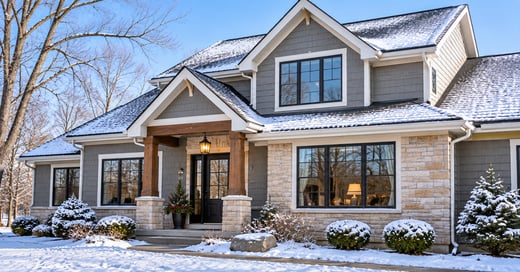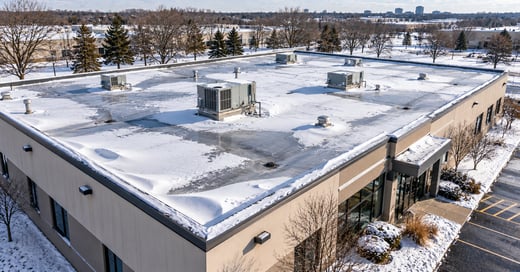
Siding may crack, warp, or pull away during winter because of temperature changes, improper installation, moisture behind the panels, strong winds, impact damage, or normal aging.
Central Indiana’s repeated freezing and thawing can expose weaknesses that were already developing. A loose panel may begin separating, trapped moisture may cause underlying materials to swell, or brittle siding may crack after an impact.
Here are six common causes of winter siding damage and what homeowners should watch for.
1. Expansion and Contraction
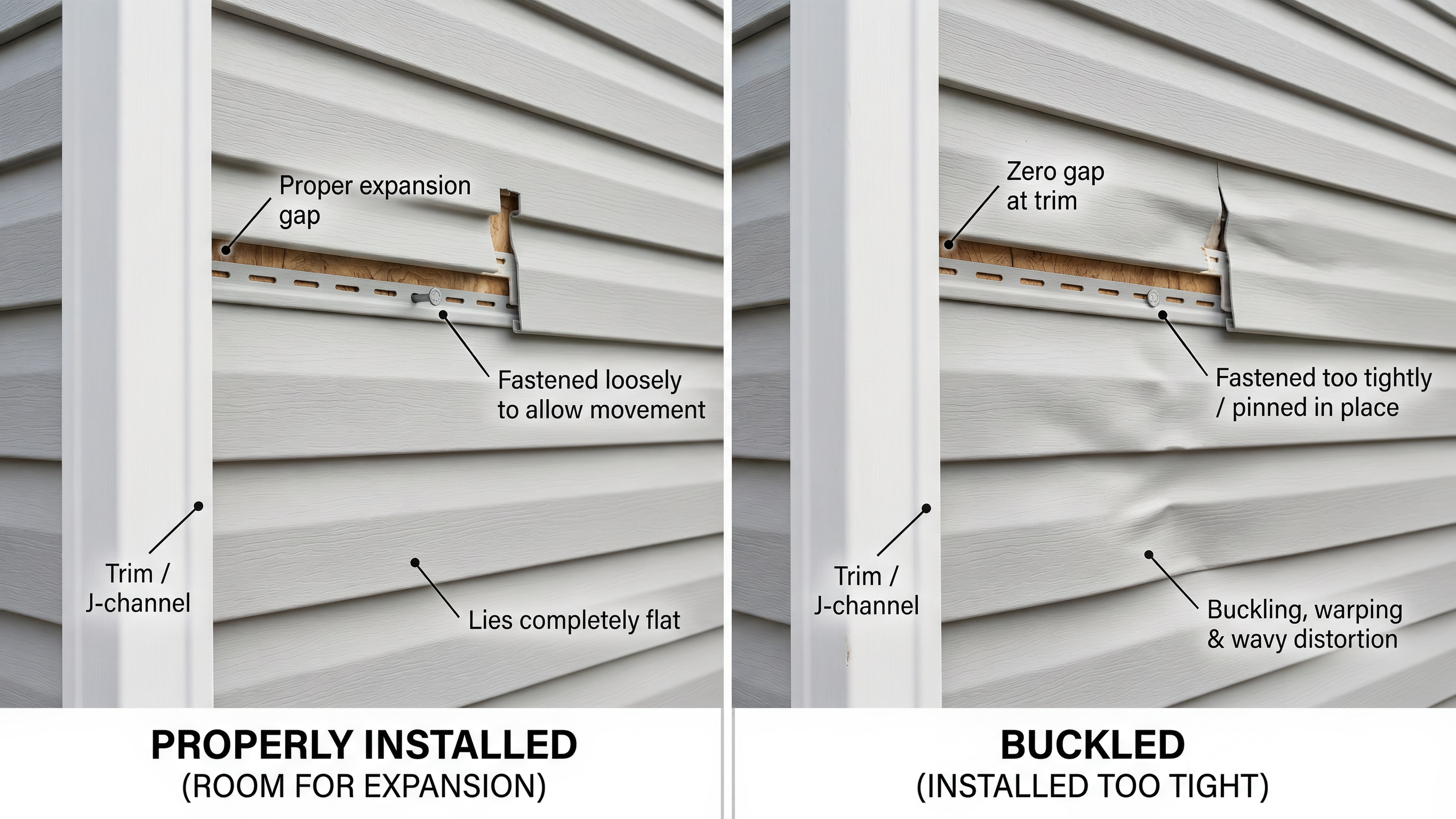
Vinyl siding naturally expands when temperatures rise and contracts when they fall. It must be installed with enough room to move as conditions change.
Problems can develop when panels are cut too tightly against trim or fastened firmly against the wall. Without room to move, siding may buckle, ripple, or pull away from adjoining pieces.
The Vinyl Siding Institute installation manual recommends leaving appropriate clearance around siding panels and avoiding tightly driven fasteners. These installation details are especially important in Indiana, where temperatures can change significantly within a short period.
2. Cold, Brittle Siding and Impact Damage
Vinyl siding can become less flexible in very cold weather. This does not mean it will automatically crack, but it can be more vulnerable to impact.
Potential sources of winter damage include:
- Ice falling from a roof or gutter
- Windblown branches and debris
- Snow-removal equipment
- Ladders placed against the house
- Toys, tools, or other objects striking the wall
A small crack may appear cosmetic, but it can create an opening for moisture. Damaged panels should be examined before repeated freezing and thawing make the problem worse.
3. Improper Fastening or Installation
Siding should not be attached as tightly as possible. Vinyl panels are designed to hang from fasteners while retaining enough freedom to move from side to side.
Fasteners installed too tightly can restrict that movement and cause panels to buckle. Fasteners that are loose, improperly spaced, or not secured to a solid surface can allow panels to rattle or pull away during high winds.
CertainTeed’s vinyl siding installation guidance identifies room for movement as one of the most important parts of proper installation.
If damage repeatedly appears in the same section, the installation method or the condition of the surface behind the siding may be contributing to the problem.
4. Water Getting Behind the Siding
Siding helps protect a home from the weather, but it is not the only moisture barrier. Flashing, house wrap, trim, caulk, and proper drainage all help direct water away from the wall system.
Moisture may get behind siding through:
- Cracked or separated panels
- Failed seals around windows and doors
- Damaged flashing
- Overflowing gutters
- Openings around exterior fixtures
- Wind-driven rain or melting snow
When trapped water freezes, it expands. Repeated freeze-thaw cycles can widen existing gaps, loosen panels, and damage sheathing or trim beneath the siding.
Kavlan’s guide to preparing your home for Indiana storm season explains how loose siding and vulnerable openings can allow moisture into wall cavities.
5. Strong Winter Winds
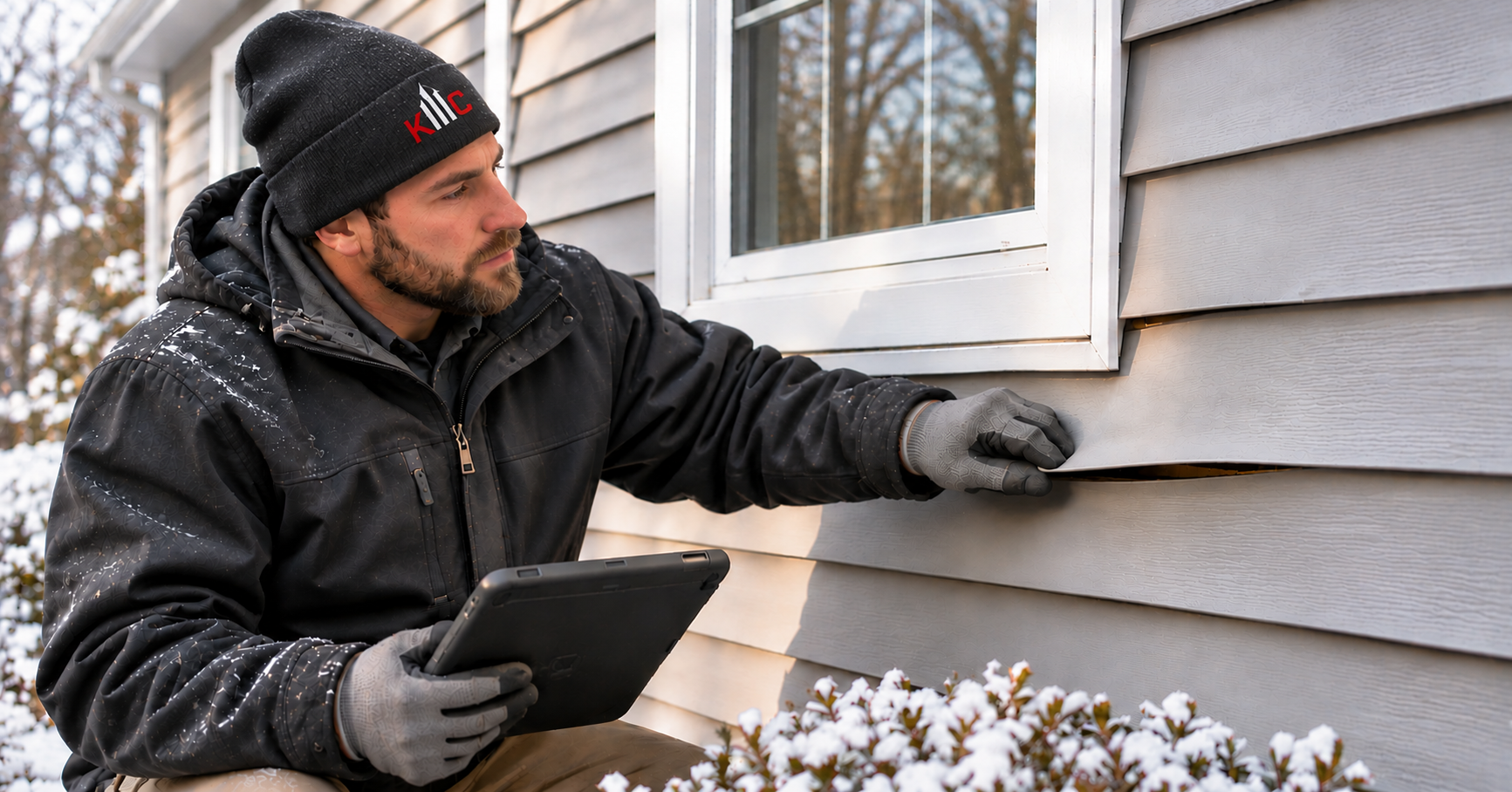
Winter weather in Indiana can bring strong winds that place pressure on siding panels, especially around corners, rooflines, windows, and doors.
Wind can get behind a panel that is already loose or improperly locked into the panel below it. Once that happens, the panel may bow outward, flap against the wall, or detach completely.
Homeowners should avoid attempting to secure elevated or extensively damaged siding during severe weather. A temporary repair that restricts normal movement could create additional problems.
6. Aging Materials or Hidden Damage
Older siding naturally becomes more vulnerable after years of temperature changes, sunlight, storms, and moisture exposure.
Winter may reveal deterioration that was less noticeable during warmer months. Homeowners may discover:
- Cracks near panel edges
- Loose or missing sections
- Wavy or uneven walls
- Soft or deteriorated trim
- Rusted fasteners
- Stains below gutters
- Gaps around windows and doors
Clogged or damaged gutters can also send water down exterior walls. Kavlan’s article about fall gutter cleaning explains how overflowing water can contribute to stained siding, deteriorated trim, and other exterior problems.
Does Damaged Siding Need Immediate Attention?
Not every loose panel requires complete siding replacement, but visible damage should not be ignored.
Prompt inspection is especially important when:
- A large section is pulling away
- Water appears to be entering behind the siding
- Panels are missing after strong winds
- Cracks are growing or appearing in several places
- Interior walls show staining or moisture
- The material beneath the siding appears damaged
An inspection can determine whether the problem is limited to individual panels or involves the underlying wall, flashing, or moisture barrier.
Homeowners can learn more about Kavlan’s siding installation and repair services.
Frequently Asked Questions
Does cold weather cause vinyl siding to crack?
Cold weather can make vinyl siding less flexible and more vulnerable to impact. Properly installed siding should handle normal seasonal temperature changes, but aging materials, installation problems, or physical impact can increase the likelihood of cracking.
Why does my siding look wavy during winter?
Wavy or buckled siding may have been fastened too tightly, installed without enough clearance, or placed over an uneven surface. Moisture damage beneath the panels can also affect their appearance.
Can loose siding be repaired during winter?
Some siding repairs can be completed during winter when weather conditions are safe. The appropriate repair depends on the material, temperature, extent of damage, and manufacturer requirements.
Should siding move when pushed?
Vinyl siding should have a small amount of side-to-side movement because the panels must expand and contract. It should not flap, hang loosely, or separate from the wall.
Can one damaged panel be replaced?
Individual panels can often be replaced when the surrounding siding and underlying wall remain in good condition. Matching the color of older, weathered siding may be difficult.
Schedule a Siding Inspection
Cracked, warped, or loose siding is more than a cosmetic concern. Openings can allow wind and moisture to reach the materials beneath your home’s exterior.
Kavlan Contracting provides siding inspections, repairs, and replacement services throughout Central Indiana. Contact Kavlan to identify the cause of the damage and determine whether a targeted repair or a larger siding project is appropriate.