
When homeowners think about roof damage, they usually picture missing or cracked shingles. While shingles do matter, they’re rarely where serious roof problems begin. In reality, most long-term roof failures start at the edges and transitions — the areas where roofing systems meet gutters, walls, chimneys, and valleys.
These components handle the highest volume of water, the most temperature movement, and the most stress over time. When they fail, damage often develops quietly, long before a leak ever shows up inside the home.
At Kavlan Contracting, we see this pattern across central Indiana homes every year. Understanding how roof edges work — and why they fail — can help homeowners catch problems earlier and protect their investment.
Roof Edges Take the Most Abuse
The edges of your roof are where water exits the system. Every rainfall, snow melt, and freeze–thaw cycle funnels moisture toward these areas. Because of that, roof edges experience more constant exposure than the field of the roof itself.
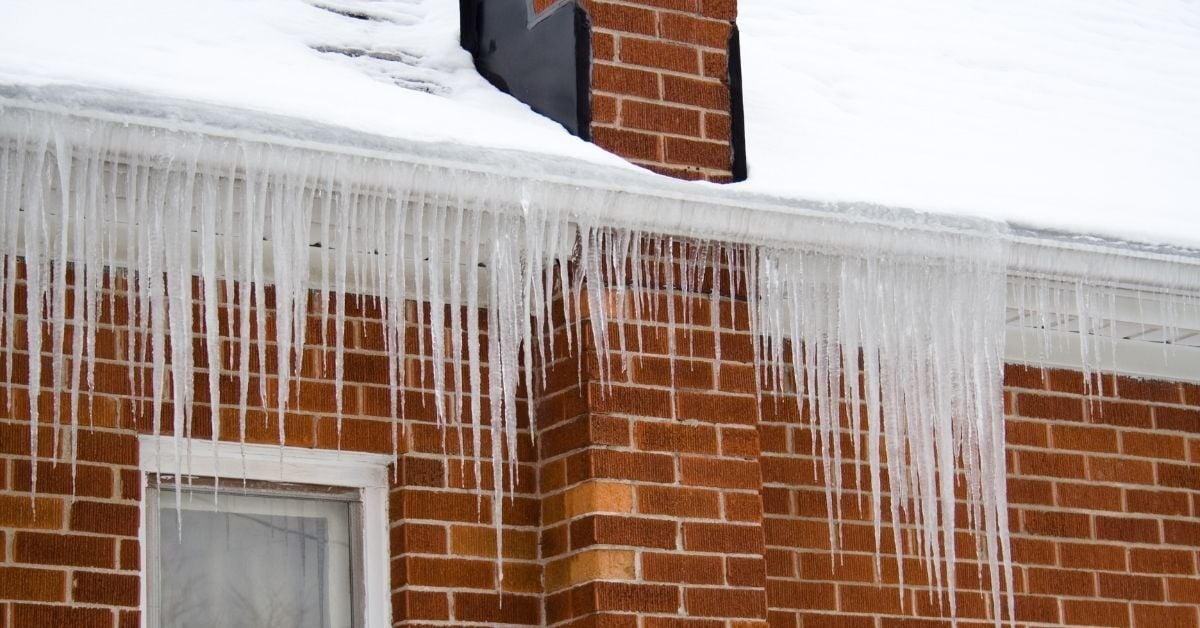
Unlike shingles in the middle of the roof, edges are also subject to wind uplift, ice buildup, and debris accumulation. Over time, even small installation errors or material wear can turn into entry points for moisture.
When edge components fail, water doesn’t always drip straight into the house. Instead, it often migrates slowly into fascia boards, roof decking, or attic insulation — causing damage that stays hidden for months or even years.
Drip Edge: Small Component, Big Consequences
Drip edge is one of the most overlooked parts of a roofing system. Its job is simple: direct water away from the roof edge and into the gutters. But when drip edge is missing, improperly installed, or deteriorated, water can wick back underneath the shingles.
In Indiana homes, older roofs often lack proper drip edge entirely, especially on houses built before modern code requirements were enforced. Without it, water can soak into the edge of the roof decking, leading to rot along the perimeter of the home.
Once decking starts to deteriorate at the edges, shingles lose their support. That’s when homeowners begin seeing curling, cracking, or shingle loss — even though the root problem started underneath.
Valleys: Where Roofs Fail First
Roof valleys handle more water than any other part of the system. They collect runoff from multiple roof planes and move it quickly downward. Because of this concentration, valleys are often the first place a roof shows signs of failure.
Improperly installed valley flashing, worn underlayment, or debris buildup can all disrupt water flow. Leaves and twigs trap moisture in the valley, accelerating material breakdown and increasing the risk of leaks.
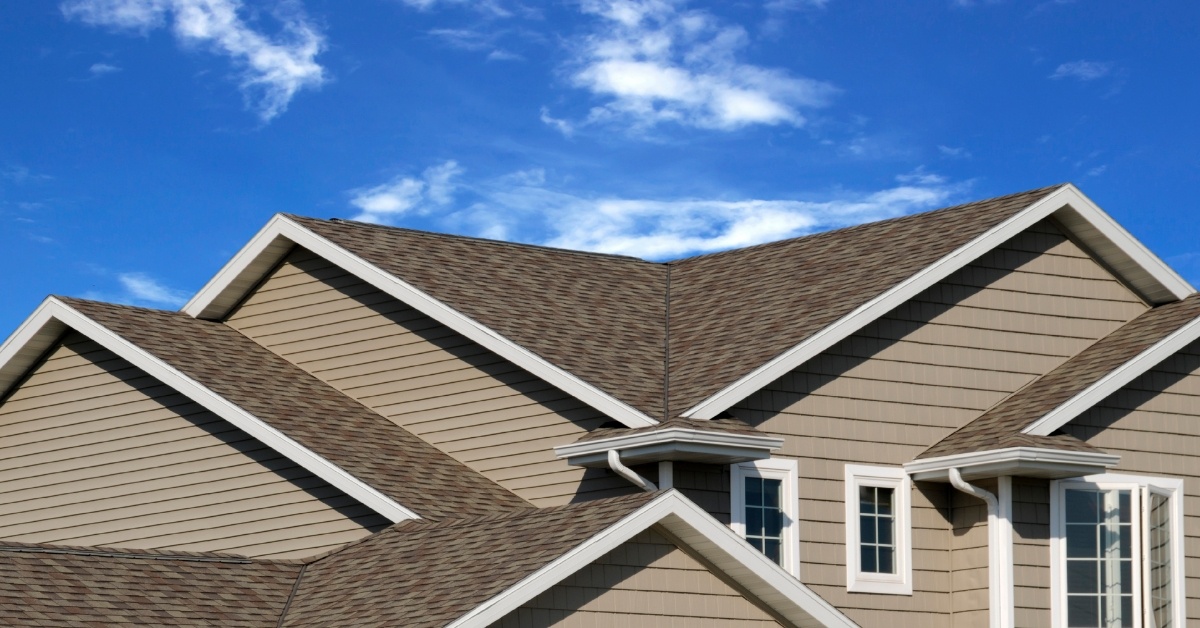
Valley failures rarely start with dramatic symptoms. More often, moisture slowly penetrates beneath the roofing layers, softening the decking and compromising the structure below. By the time a leak appears inside, repairs are usually more involved.
Flashing Failures Around Walls and Chimneys
Anywhere a roof meets a vertical surface is a potential weak point. Chimneys, dormers, skylights, and sidewalls all rely on flashing to keep water out. When flashing is improperly sealed, poorly integrated, or simply worn out, water finds a way in.
Unlike shingle damage, flashing issues don’t always show up after a storm. They develop gradually as sealants dry out, metal corrodes, or building materials shift with temperature changes.
In Indiana’s freeze–thaw climate, these transitions are under constant stress. Over time, even well-installed flashing can loosen or separate, allowing moisture to slip behind siding or into wall cavities — often without obvious exterior signs.
Gutters and Roof Edges Work Together
Gutters play a bigger role in roof health than most homeowners realize. When gutters are clogged, sagging, or improperly pitched, water backs up along the roof edge instead of draining away.
That standing water increases the likelihood of ice dams in winter and accelerates deterioration of fascia boards and roof decking. Over time, repeated saturation weakens the edge of the roof system and compromises nearby shingles.
This is why roof edge issues and gutter problems so often go hand in hand. Addressing one without the other usually means the problem returns.
Why Edge Damage Often Goes Unnoticed
Edge-related roof damage doesn’t announce itself loudly. There’s usually no immediate drip, no missing shingles, and no obvious interior stains. Instead, damage develops behind trim boards, beneath shingles, and inside attic spaces.
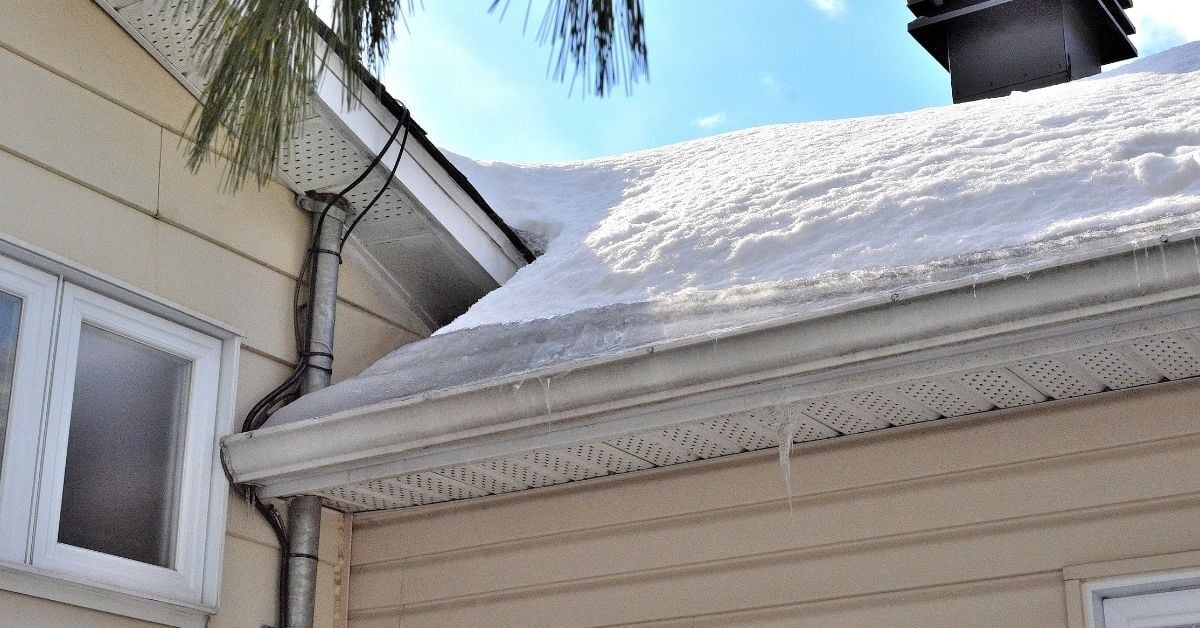
By the time homeowners notice peeling paint, sagging gutters, or soft fascia boards, moisture has often been present for a long time. Repairs at that point typically involve more than surface fixes — they require addressing structural components as well.
This is why routine inspections that focus on roof edges, transitions, and drainage are critical, especially for homes that are more than ten years old.
What Homeowners Can Do to Protect Roof Edges
Preventing edge-related roof problems starts with awareness. Keeping gutters clean, removing debris from valleys, and checking for loose trim or flashing are simple steps that go a long way.
More importantly, homeowners should make sure roof inspections include a close look at drip edge, flashing, fascia, and valleys — not just shingles. These components determine how long a roof actually lasts, especially in Indiana’s demanding climate.
If your home has experienced ice dams, recurring gutter issues, or unexplained moisture near the roofline, it’s worth having those areas evaluated by a contractor who understands roof systems, not just surface materials.
Why Detail-Oriented Roofing Matters
A roof is more than shingles nailed to plywood. It’s a system of components designed to manage water, airflow, and temperature changes year after year. When the details are overlooked, even high-quality shingles can fail prematurely.
At Kavlan Contracting, our approach focuses on how the entire roofing system functions — especially the edges and transitions where problems usually begin. That attention to detail allows us to identify issues early and recommend solutions that protect the home as a whole.
Protect the Parts of Your Roof That Matter Most
If your roof is aging, has experienced multiple seasons of harsh Indiana weather, or shows signs of wear near the edges, it may be time for a closer look. Addressing small issues now can prevent extensive repairs later.

Contact Kavlan Contracting today to schedule a professional evaluation and make sure the most vulnerable parts of your roof are doing their job — before minor edge damage turns into major interior problems.