If your heating and cooling bills seem to increase every year, you're not alone. Many homeowners assume higher energy costs are simply the result of utility rate increases or an aging HVAC system. While those factors certainly play a role, your windows may be contributing more than you realize.
Windows are one of the largest openings in your home's exterior. When they're functioning properly, they help keep conditioned air inside and outdoor temperatures where they belong. As windows age, however, worn seals, deteriorating frames, and outdated glass can reduce their efficiency and make your heating and cooling system work harder.
Understanding how your windows affect your home's energy performance can help you make informed decisions about repairs, replacement, and long-term comfort.
Your HVAC System Might Not Be the Problem
When energy bills rise, many homeowners immediately suspect the furnace or air conditioner.
Sometimes the equipment is working exactly as it should—but it's constantly replacing air that's escaping through older windows.
Small drafts may not seem significant on their own, but when multiple windows allow conditioned air to leak throughout the home, the HVAC system has to run longer to maintain the desired temperature.
Before assuming it's time for a new heating or cooling system, it's worth evaluating how well your windows are performing.
Air Leaks Add Up
Even tiny gaps around a window frame can make a noticeable difference over time.
As weatherstripping wears out and window components age, outside air can enter while conditioned air escapes. During the winter, this means cold air infiltrates your home. During the summer, hot, humid air forces your air conditioner to work harder.
If you've noticed certain rooms are always warmer or colder than the rest of the house, aging windows could be part of the reason.
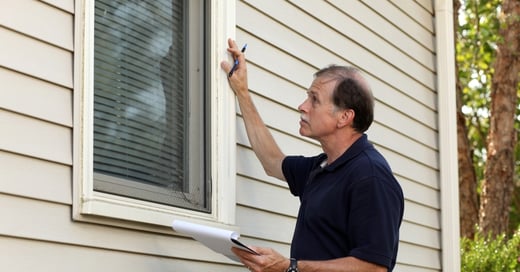
Many of these issues begin as subtle warning signs. Knowing when it's time to replace your windows can help homeowners address efficiency problems before they become more expensive.
Older Glass Isn't as Efficient
Window technology has improved significantly over the past few decades.
Many older homes still have windows that lack modern energy-saving features like Low-E coatings, insulated glass, and improved frame construction. These advancements help reduce heat transfer while allowing natural light to enter your home.
Replacing outdated windows can improve comfort throughout the year while reducing the amount of work your HVAC system must perform.
Failed Window Seals Reduce Performance
Double-pane windows rely on an insulated seal between the panes of glass to improve energy efficiency.
When that seal fails, moisture can enter the space between the glass, often creating a foggy or cloudy appearance. More importantly, the window loses much of its insulating ability.
Although the window may still function, it no longer performs as efficiently as it was designed to.
Comfort Matters Just as Much as Cost
Lower utility bills are one benefit of replacement windows, but comfort is often what homeowners notice first.
Drafts become less noticeable.
Indoor temperatures remain more consistent.
Rooms near windows become more comfortable throughout the year.
Many homeowners are surprised by how much more enjoyable their living spaces feel after replacing older, inefficient windows.
Windows Work Together With the Rest of Your Home
Energy efficiency isn't determined by one component alone.
Your roof, attic, insulation, ventilation, doors, and windows all work together to create a comfortable indoor environment.
That's why improvements to one part of your home's exterior often complement improvements elsewhere. Proper attic ventilation, quality insulation, and energy-efficient windows all contribute to reducing unnecessary heat gain during the summer and heat loss during the winter.
When Replacement Makes Sense
Not every older window needs to be replaced immediately.
However, replacement may be worth considering if you notice:
- Drafts around multiple windows
- Rising heating or cooling costs
- Condensation between glass panes
- Windows that stick or won't lock properly
- Rotting or deteriorating frames
When several of these issues are present, replacement often provides greater long-term value than repeated repairs.
Improve Comfort While Reducing Energy Loss
If your home feels drafty, certain rooms are difficult to keep comfortable, or your utility bills continue to climb, your windows may be part of the problem.
At Kavlan Contracting, we help homeowners throughout central Indiana evaluate the condition of their existing windows and recommend replacement solutions that improve comfort, efficiency, and long-term performance.
If you're wondering whether your windows are costing you more than they should, schedule a free consultation with our team and let us help you explore your options.