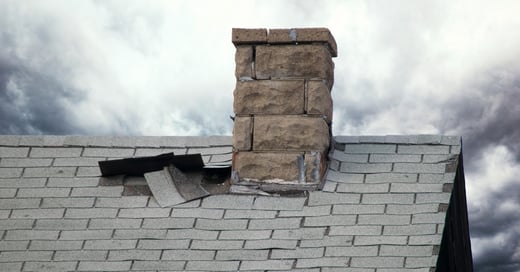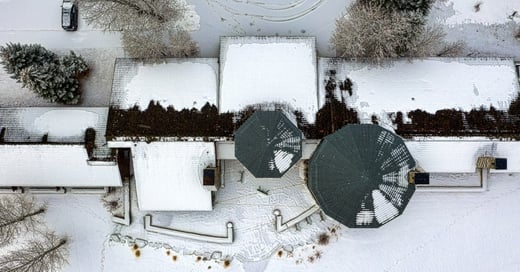
Ice dams are one of the most frustrating winter problems homeowners face in Indiana. They show up along the edges of your roof, often without warning, and once they form, they’re difficult to deal with. Many homeowners focus on removing the ice, but by that point, the real problem has already been building for a while.
Ice dams aren’t just a surface issue. They’re the result of heat, airflow, and moisture working together in ways they shouldn’t. Understanding how they form, and more importantly, how to prevent them, can save you from costly roof and interior damage.
At Kavlan Contracting, ice dams are one of the most common winter-related issues we see across central Indiana. The good news is they’re almost always preventable when the underlying conditions are addressed.
It Starts With Heat Where It Doesn’t Belong
Your roof should stay as close to the outside temperature as possible during winter. When it doesn’t, that’s when problems begin.
Heat escaping from your home rises into the attic and warms sections of the roof unevenly. Snow sitting on those warmer areas begins to melt, even when outdoor temperatures are below freezing. That melted water flows down the roof until it reaches the colder edges, where it refreezes.
Over time, that cycle creates a ridge of ice, what we call an ice dam.
Once that ridge forms, it blocks proper drainage. Water backs up behind it and eventually finds its way under shingles and into the home.
This entire process is driven by the same issue discussed in Why Proper Roof Ventilation Is Key to a Long-Lasting Roof—heat and airflow that aren’t properly controlled.
Why the Edges of Your Roof Are Most Vulnerable
Ice dams don’t form randomly. They almost always show up along the lower edges of the roof.
That’s because these areas stay colder than the upper sections. While the main portion of the roof may be warmed by escaping heat, the overhangs and edges remain exposed to outside temperatures.
This temperature difference is what creates the freeze–thaw cycle in the first place.
It also explains why edge-related issues are so common in roofing systems, as covered in Why Most Roof Problems Start at the Edges (Not the Shingles). These areas handle more stress, more moisture, and more temperature variation than the rest of the roof.
The Attic Is Where the Problem Actually Begins
Ice dams may form on the roof, but the root cause is almost always in the attic.
When insulation is uneven or insufficient, heat escapes more easily into certain areas. When ventilation is lacking, that heat has nowhere to go. The result is a warm attic and an unevenly heated roof surface.
If you’ve read Why Your Attic Might Be Causing Roof Problems, you’ve already seen how attic conditions affect roof performance year-round. Ice dams are simply the winter version of that same imbalance.
Fixing the problem means addressing what’s happening below the roof, not just what’s visible above it.
Why Removing Ice Doesn’t Solve the Problem
It’s common to see homeowners try to break up ice dams or remove snow from the roof. While that may provide temporary relief, it doesn’t address the cause.
As long as heat continues to escape into the attic, the cycle will repeat. Snow will melt, water will refreeze, and the dam will form again.
In some cases, aggressive removal can even damage shingles, creating additional entry points for water.
Prevention is always more effective than removal because it eliminates the conditions that allow ice dams to form in the first place.
Moisture Has Nowhere to Go Once It’s Trapped
Once an ice dam forms, the water behind it becomes the real issue.
Instead of draining off the roof, it sits and slowly works its way under shingles. From there, it can reach the roof decking, insulation, and interior ceilings.
What makes this especially problematic is that the damage doesn’t always show up immediately. Moisture can travel before it becomes visible, leading to issues that appear far from the original source.
This is similar to what’s explained in How Poor Roofing Details Lead to Interior Damage (Even Without a Leak) -water doesn’t always show up where it enters.
Why Indiana Homes Are Especially at Risk
Indiana’s winter climate creates ideal conditions for ice dams. Temperature swings are common, and snow accumulation followed by partial melting is a regular occurrence.
That combination puts repeated stress on roofing systems throughout the season. Homes that already have minor insulation or ventilation issues are especially vulnerable.
It’s part of the broader pattern discussed in How Indiana Weather Impacts Your Roof Over Time -small imbalances become larger problems through repeated seasonal exposure.
Prevention Comes Down to Balance
Stopping ice dams isn’t about one fix, it’s about balance.
When insulation keeps heat inside the living space and ventilation allows excess heat and moisture to escape, the roof stays cold and consistent. Snow melts evenly, drainage works properly, and the conditions that create ice dams never develop.
This balance also improves overall home performance, reducing energy loss and protecting roofing materials over time.
Take Action Before Winter Returns
Ice dams don’t usually appear out of nowhere. They’re the result of conditions that have been building over time.
If your home has experienced ice dams before, or if you’ve noticed uneven snow melt on your roof, it’s worth taking a closer look before next winter.

At Kavlan Contracting, we evaluate roofing systems as a whole—looking at ventilation, insulation, and structural details to identify where problems are likely to develop.
Contact Kavlan Contracting today to schedule a roof inspection and make sure your home is prepared before cold weather creates the same issues again.