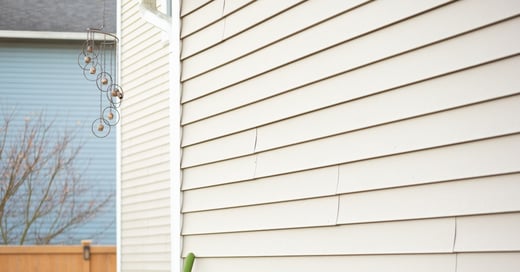
Most homeowners don't spend much time thinking about their siding. As long as it looks good from the street and continues protecting the home from the weather, it tends to blend into the background.
The problem is that siding often provides warning signs long before major issues develop. Cracks, warping, fading, and loose panels aren't just cosmetic concerns, they're often indicators that the exterior of your home is under stress.
Knowing how to recognize those signals can help homeowners address problems early, protect their investment, and avoid more costly repairs down the road.
At Kavlan Contracting, we often find that the homes requiring the least extensive repairs are the ones where homeowners paid attention to the warning signs early.
Fading Can Mean More Than Aging
Some fading is a normal part of aging, especially after years of exposure to sunlight.
However, excessive fading may indicate that the siding has been subjected to prolonged UV exposure and is beginning to lose some of its protective properties.
While discoloration alone doesn't necessarily mean replacement is needed, it can be a sign that the material is approaching the later stages of its lifespan.
When fading is accompanied by brittleness, cracking, or other visible deterioration, it's worth taking a closer look.
Cracks and Gaps Create Openings for Moisture
One of the clearest warning signs siding can provide is the appearance of cracks, splits, or gaps.
Even small openings allow water and air to move where they shouldn't. Over time, moisture can reach the wall assembly behind the siding and begin affecting insulation, sheathing, and structural components.
This is one reason why small siding problems become expensive repairs when they're left unaddressed.
What appears minor on the surface can often have a much larger impact behind the scenes.
Warping Usually Means Something Has Changed
Siding is designed to remain relatively stable throughout changing weather conditions.
When panels begin to bow, warp, or pull away from the home, it's often a sign that moisture, heat, or installation issues are affecting the system.
Warping may indicate:
- Moisture intrusion
- Trapped heat
- Improper installation
- Material deterioration
Regardless of the cause, siding that is no longer lying flat deserves attention before additional damage develops.
Loose Panels Should Never Be Ignored
Strong winds, seasonal movement, and age can all cause sections of siding to loosen over time.
A loose panel may seem like a minor issue, but it creates an opportunity for wind-driven rain to reach vulnerable areas of the wall system.
Once water gets behind the siding, problems can escalate quickly.
The sooner loose sections are secured, the less likely they are to create larger repair needs later.
Staining Often Points to Water Problems
Discoloration isn't always caused by dirt or age.
In some cases, streaking, staining, or dark patches may indicate water isn't draining properly. These areas can point to flashing failures, gutter issues, or moisture that's repeatedly reaching the same section of siding.
Because water tends to follow predictable paths, these visual clues often help identify developing problems before significant damage occurs.
The same principle applies to roofing systems, where roof problems often start at the edges and transition points rather than across the entire roof.
Higher Energy Bills Can Be an Exterior Warning Sign
Sometimes siding communicates problems indirectly.
If your home's heating and cooling costs seem to be rising without a clear explanation, the exterior envelope may be contributing.
Damaged or deteriorating siding can reduce energy efficiency by allowing air leakage and reducing the effectiveness of insulation.
This can force HVAC systems to work harder throughout the year, particularly during Indiana's hot summers and cold winters.
Properly functioning siding plays an important role in maintaining the same goals discussed in how to keep your home warm and energy-efficient all winter.
Multiple Small Issues Usually Tell a Bigger Story
One crack doesn't necessarily mean you need new siding.
One loose panel doesn't automatically require a replacement project.
However, when several warning signs begin appearing together, fading, cracking, warping, and loose sections, it often suggests the siding system as a whole is beginning to deteriorate.
At that point, it's important to evaluate whether repairs will continue providing value or if replacement may be the more practical long-term solution.
This is exactly the conversation explored in repairing versus replacing damaged siding, where the age and overall condition of the material become important factors.
Listening to Your Home Pays Off
Most major exterior problems don't appear overnight. They develop gradually, often providing warning signs long before significant damage occurs.
The key is knowing what those signs mean and responding before a small issue becomes a larger one.
At Kavlan Contracting, we help homeowners evaluate the condition of their siding, identify developing concerns, and determine the most cost-effective path forward.
If you've noticed cracking, warping, loose panels, or other changes in your siding, now is a great time to take a closer look.
Contact Kavlan Contracting today to schedule an exterior inspection and make sure your siding is protecting your home the way it should.